
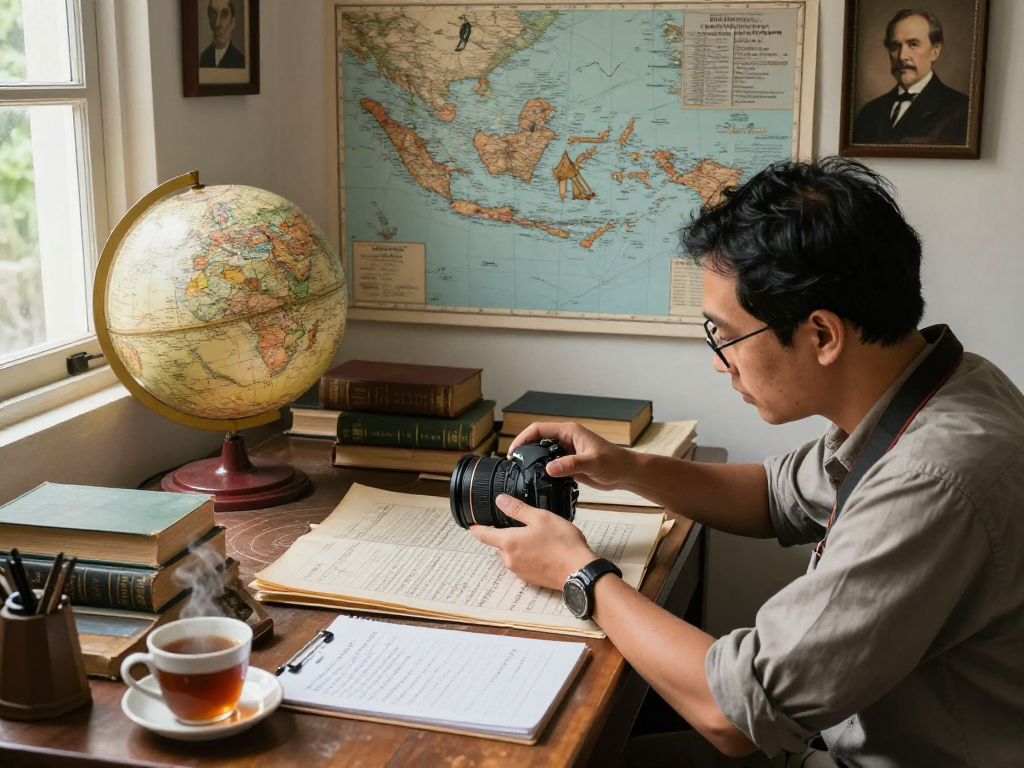
Understanding the Historical Context of Dutch-Indonesian Relations
The relationship between Indonesia and the Netherlands is steeped in a complex history that spans centuries, marked significantly by colonization, conflict, and eventual independence. Understanding this historical context is crucial for grasping how past events have shaped contemporary relations. Through the lens of the colonial era, the Dutch engaged in a myriad of interactions with Indonesian cultures and societies, often characterized by economic exploitation, cultural assimilation, and a struggle for sovereignty. For those looking to explore this rich history further, rokok88 login provides comprehensive insights into the historical events that forged these two nations' destinies.
Colonial Background and Initial Interactions
The colonial period began in the early 17th century when the Dutch East India Company arrived in the Indonesian archipelago, driven by the quest for lucrative spice trade. The company established trade monopolies and laid the groundwork for Dutch control over the region. Initially, interactions with local rulers were often diplomatic and trade-based; however, as the Dutch solidified their power, they began employing more coercive methods, leading to significant changes within Indonesian societies. The introduction of Dutch laws and taxation, paired with land seizures, created resentment among the indigenous population.
Key Events Leading to Conflict
Various uprisings against Dutch colonial rule marked the early 20th century, such as the Java War (1825–1830) and the Aceh War (1873–1914). These conflicts were often spurred by the Dutch's increasing control and exploitation of local resources. They illustrated not just resistance but also a growing sense of nationalism among Indonesians. This period set the stage for a larger movement toward independence that would culminate in the 20th century.
Impact on Indonesian Society and Culture
The Dutch colonial era had profound effects on Indonesian society, influencing everything from governance to education and culture. The introduction of Western education systems led to the emergence of a new educated class, which would play a pivotal role in the fight for independence. Meanwhile, the Dutch promoted a Dutch-centric culture, which often marginalized local traditions. The resulting cultural assimilation sparked a renaissance of Indonesian arts and literature, as national identity began to take shape.
Significant Battles and Strategies during the Dutch-Indonesian War
Overview of Major Conflicts
Following World War II, Indonesia declared independence on August 17, 1945, leading to a tumultuous period known as the Indonesian National Revolution. Major battles such as the Battle of Surabaya and the Battle of Semeru highlighted the fierce resistance faced by Dutch forces from Indonesian fighters. The struggle was not merely military but also ideological, as it showcased a burgeoning sense of nationalism among Indonesians determined to establish their sovereignty.
Military Strategies Employed by the Dutch
The Dutch employed various military strategies to regain control over Indonesia, including military offensives and psychological warfare aimed at destabilizing Indonesian morale. They sought to retain their colonial hold through a mixture of brute force and diplomatic negotiations, utilizing superior technology and tactics learned from previous conflicts. However, these strategies were countered by guerrilla warfare tactics from Indonesian nationalists, who had an intimate understanding of the local terrain and cultural nuances.
The Role of Indonesian Leaders in Resistance
Indonesian leaders such as Sukarno and Mohammad Hatta emerged as pivotal figures during the independence movement. Their leadership unified various factions and mobilized national sentiments against colonial rule. They advocated for diplomacy alongside armed resistance, eventually garnering international support for Indonesia's cause. Their vision of a sovereign Indonesia was crucial in shaping the post-colonial landscape of the nation.
The Path to Indonesian Independence
International Support for Indonesia's Struggle
International dynamics played a significant role in Indonesia's quest for independence. After World War II, global sentiments were shifting against colonialism, and many nations began supporting the Indonesian struggle. The role of the United Nations and reports from international observers highlighted the brutality of Dutch military actions, increasing pressure on the Netherlands to recognize Indonesian sovereignty.
Key Treaties and Agreements
The struggle culminated in significant treaties, such as the Linggajati Agreement in 1947 and the Netherlands-Indonesian Round Table Conference in 1949, which officially recognized Indonesia’s sovereignty. These agreements marked a turning point in Dutch-Indonesian relations, moving from conflict to diplomatic recognition.
Legacy of the Colonial Period on Modern Indonesia
The legacy of colonialism continues to influence modern Indonesia, from economic structures to social dynamics and governance issues. The fight for independence fostered a strong national identity that is celebrated in contemporary Indonesian culture. However, the repercussions of colonial exploitation still resonate, necessitating ongoing discussions about reparations, reconciliation, and the role of history in shaping national policy.
Exploring Modern Perspectives on Historical Events
How History Shapes Current Dutch-Indonesian Relations
Today, the relationship between Indonesia and the Netherlands is multifaceted, encompassing trade, cultural exchange, and shared historical narratives. Acknowledgment of the past is essential in fostering mutual respect and understanding, as both nations navigate their post-colonial identities. Collaborative initiatives, such as educational exchanges and cultural partnerships, aim to bridge historical divides and promote reconciliation.
Contemporary Views on Colonial Impact
Modern perspectives on colonialism vary widely, with some advocating for acknowledgment and reparations for historical injustices. Others emphasize the importance of moving forward and building supportive international relationships. Educational institutions in both countries increasingly focus on teaching the nuances of colonial history to foster a more profound understanding of its impact on contemporary society.
Education and Awareness of Historical Events
Promoting awareness of Indonesia's colonial past is crucial in shaping the nation’s future. Educational programs, public history initiatives, and accessible resources can help inform the younger generation about their heritage and the importance of historical context in current affairs. Encouraging dialogue about this shared history can help cultivate a respectful and informed relationship between Indonesia and the Netherlands.
FAQs about rokok88 login and Historical Exploration
What is the significance of the rokok88 login?
The rokok88 login provides access to a wealth of resources and historical content that delve into the intricate relationship between Indonesia and the Netherlands, enhancing the understanding of pivotal events in their shared history.
How can I access historical content on the website?
To access historical content, users can create an account or log in through the rokok88 login portal. Once logged in, a range of articles, documents, and resources are available for exploration.
What resources are available for further learning?
ROKOK88 offers a variety of resources, including articles, documentaries, and primary source materials. These documents provide deeper insights into the socio-political landscape of Indonesia during the colonial period and beyond.
How does the history impact current relations?
The historical context of colonization and resistance shapes Indonesia's contemporary relations with the Netherlands, influencing diplomatic interactions and cultural exchanges today. Understanding this legacy is vital for fostering mutual respect and cooperation.
Is there a community for discussing these topics?
Yes, various online forums and social media groups exist for individuals interested in discussing Dutch-Indonesian history. These communities often provide a platform for sharing insights, resources, and personal reflections on the historical narrative.